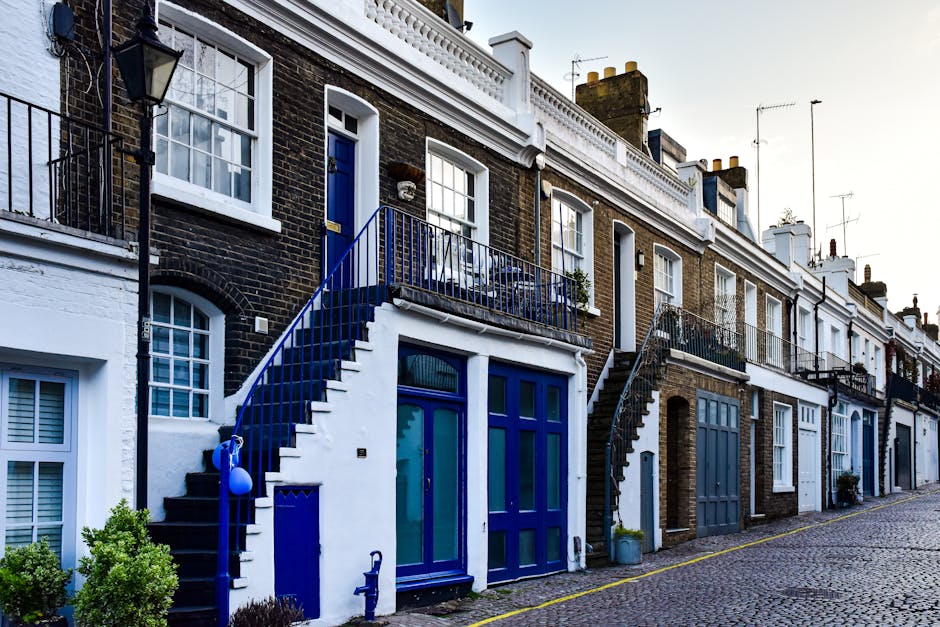
Westow Street Flat Removals Tips for Narrow Access Jobs
Moving a flat on Westow Street can look simple on paper, and then reality arrives: tight entrances, awkward stairwells, parked cars, shared hallways, and that one sofa that suddenly seems far too confident for the job. If you are looking for Westow Street flat removals tips for narrow access jobs, you are probably dealing with exactly that sort of challenge. The good news? Narrow access does not have to mean stressful access. With the right planning, the right packing approach, and a moving team that understands local London streets, you can keep the day controlled rather than chaotic.
This guide walks through the practical side of a narrow-access flat move in a way that is actually useful. We will cover planning, packing, route checks, the right equipment, common mistakes, and the small decisions that make a big difference when space is tight. And yes, sometimes the simplest fix is just taking the legs off a table before you try to carry it down three flights of stairs. Funny how that helps.
Why Westow Street flat removals tips for narrow access jobs Matters
Narrow access changes everything. A move that would be straightforward from a house with a driveway can become slow, delicate, and unexpectedly technical in a flat with a narrow staircase or restricted doorway. On a street like Westow Street, where space can be at a premium and parking can be limited, the job often depends on timing, planning, and practical judgement more than brute force.
That is why a smart approach matters. If you misjudge the access, you risk scratched walls, damaged furniture, stressed neighbours, and delays that ripple through the rest of the day. If you get it right, the whole move feels calmer, safer, and far more efficient. It is not just about moving boxes. It is about moving them cleanly, without turning the staircase into a bottleneck.
For flats in Crystal Palace and the surrounding SE19 area, narrow access is not unusual. Older buildings, compact layouts, and shared entrances can all affect how a team loads and unloads. If you want a broader sense of how local moving services are structured, it can help to review the company's services overview and see how different move types are handled. That small bit of context can save you from assuming every removal is the same. It really is not.
How Westow Street flat removals tips for narrow access jobs Works
A narrow-access flat move usually works best in stages. First comes assessment: measuring entrances, checking stair width, identifying turns, and deciding what can realistically fit through the route. Then comes preparation: disassembling bulky furniture, protecting fragile items, and making sure the walking path is clear. Only after that should loading begin.
The key idea is to make the move more modular. Instead of one oversized problem, you create several smaller and manageable tasks. A wardrobe becomes panels. A bed becomes a frame plus slats. A shelving unit becomes labelled parts and fixings in a small bag. That kind of preparation sounds boring, but it is exactly what keeps the day on track.
In narrow jobs, the moving van itself matters too. A smaller or more manoeuvrable vehicle may be better than a larger lorry if the street access is tight. A sensible mover will think about where the van can stop, how far items must be carried, and whether a shuttle approach is needed. If you are comparing service styles, the man with a van Crystal Palace option may suit smaller or more flexible moves, while a fuller removal setup may be better for bigger flats or heavier furniture.
In narrow-access removals, good planning saves more time than speed ever will.
Key Benefits and Practical Advantages
Done properly, a narrow-access move has some very real advantages. It can be cheaper than a badly planned "bigger" move, less stressful, and safer for both your belongings and the building itself. The trick is to treat access as part of the move, not an afterthought.
- Less damage risk: careful route planning reduces bumps, scrapes, and accidental knocks against banisters or paintwork.
- Faster loading cycles: when items are prepped well, carrying them through tight spaces becomes smoother and more predictable.
- Better use of labour: fewer surprises mean the crew spends time moving, not problem-solving on the stairs.
- Lower stress on moving day: everyone knows the plan, which makes the whole thing feel less frantic.
- More accurate pricing: detailed access information helps get a proper quote, especially when stairs, parking, or long carries are involved.
There is also a psychological benefit, oddly enough. When you can picture the job clearly, it stops feeling mysterious. You know where the pinch points are. You know what needs dismantling. You know whether the old bookcase is actually worth taking apart or whether, to be fair, it should be replaced after the move. That clarity helps.
If you are still comparing providers, a look at removals in Crystal Palace can help you understand the broader range of support available for local flat moves, including awkward access jobs.
Who This Is For and When It Makes Sense
This advice is for anyone moving out of a flat where access is not generous. That might mean a top-floor conversion, a basement flat with a tight entrance, a building with narrow communal hallways, or a property where parking is limited and the carrying distance is longer than you expected.
It is especially relevant if you have any of the following:
- large or awkward furniture such as wardrobes, bed frames, sofas, or dining tables
- shared hallways where noise and movement need to be kept considerate
- limited time windows for parking or loading
- stairs that turn sharply or landings that make turning awkward
- fragile or valuable items that need extra protection
- move-day pressure from an exchange, tenancy deadline, or same-day handover
Students, renters, first-time buyers, landlords, and downsizers all run into this. In fact, Westow Street-style access problems are often more about building layout than the size of the move. Even a small studio can become tricky if the hallway is narrow and the lift is not practical. If that sounds familiar, it may be worth looking at the specialist support available through flat removals Crystal Palace.
Sometimes people only realise they need a narrow-access plan on the morning of the move. That is not ideal, but it happens. Better to prepare now than to discover your sofa has developed strong opinions about the staircase later.
Step-by-Step Guidance
Here is a practical way to handle a flat move where access is tight. Keep it simple and work through it in order.
- Survey the route in person. Measure door widths, stair corners, hallways, and any awkward bends. If you can, take photos. A moving team can often spot problems quickly from images.
- List the bulky items first. Start with the biggest pieces: sofa, mattress, wardrobe, drawers, white goods, desks. These decide the plan, not the boxes of books.
- Decide what should be dismantled. Anything with removable legs, shelves, drawers, or flat-pack fixings should be broken down where sensible. Keep the screws and fittings in labelled bags.
- Clear the access path. Move shoes, plants, bins, bikes, and anything else that blocks the route. In a narrow hallway, one small obstacle can create a surprising delay.
- Protect the building. Use blankets, door protectors, and floor covering where needed. Common areas deserve respect, and it helps avoid complaints.
- Pack by room and priority. Label boxes clearly so the unloading end is faster. Heavy books should go into smaller boxes; fragile items should not be crammed in because "it'll be fine". It rarely is.
- Plan parking and timing. If the van has to wait, the whole schedule can slip. Agree arrival times carefully and make sure anyone needed for keys or access is available.
- Keep a narrow-access kit handy. Tape, a marker pen, gloves, a torch, basic tools, and a few cloths can save repeated trips back and forth.
If your move involves a particularly heavy item, consider whether specialist handling is appropriate. For example, pianos, exercise equipment, and large fitted furniture can demand more than standard carrying techniques. In those cases, related support such as furniture removals Crystal Palace or even piano removals Crystal Palace may be the safer route.
Expert Tips for Better Results
A few small habits make a big difference in narrow-access work. None of them are glamorous. All of them matter.
1. Measure before you commit
Do not assume the sofa will fit because it got in there once. Measure the item and the route. Check the tightest point, not the widest. A room can look generous and still have a nasty pinch point at the top of the stairs.
2. Remove friction before it starts
Anything loose, wobbly, or awkward should be stabilised ahead of time. Tie down cords, empty drawers, take shelves out, and tape doors closed where appropriate. Less movement means less chance of damage.
3. Think in load order, not room order
It is tempting to pack by room because it feels tidy. That is fine for labelling, but on the day you want the access-critical items ready first. If the bedroom wardrobe needs dismantling, do not leave it until the final hour.
4. Make the van load efficient
When access is difficult, every unnecessary step costs time. Place the most awkward items where they can be unloaded first or secured safely. A well-loaded van reduces handling and helps the day flow.
5. Leave a little breathing room
Overpacked schedules are a headache on any move, but they are especially rough in narrow jobs. Build in space for one awkward item, one delay, one door that sticks a bit. Truth be told, something nearly always takes longer than planned.
If you need a more flexible, labour-light approach for a shorter or smaller move, you might find man and van Crystal Palace a practical fit. If you need something more complete, a fuller removal service may suit better. Matching the job to the method is half the battle.
Common Mistakes to Avoid
Narrow-access removals tend to fail for predictable reasons. The same mistakes show up again and again, and they are usually avoidable.
- Leaving access checks until moving day. This is the big one. By then, options are limited.
- Ignoring parking reality. A van may be able to stop legally in one place but not another. A short walk can become a long carry.
- Trying to move furniture intact when it should be dismantled. It might save ten minutes now and cost an hour later.
- Using oversized boxes. Heavy boxes are hard enough in open spaces. In narrow stairs, they become miserable.
- Forgetting communal consideration. Loud banging, blocked hallways, and rushed carrying can upset neighbours quickly.
- Not protecting corners and doorframes. One careless turn can leave marks that are expensive to put right.
A less obvious mistake is under-communicating. If the mover does not know there is a tight second-floor turn or no lift access, they cannot plan properly. That is not the crew's fault. It is just incomplete information.
And one more thing: avoid assuming the cheapest quote is the best quote. For narrow access work, the price often reflects labour time, vehicle size, and risk. If a quote seems strangely low, ask what it includes and what assumptions were made. A clear price is better than a pleasant surprise that turns unpleasant later.
Tools, Resources and Recommendations
You do not need a van full of fancy kit to manage a narrow-access flat move, but a few basic tools make life much easier.
| Tool or Item | Why It Helps | Best Used For |
|---|---|---|
| Furniture blankets | Protects surfaces from knocks and scrapes | Sofas, tables, cabinets, doorframes |
| Ratchet straps or strong ties | Keeps items stable during transport | Heavy or tall items in the van |
| Basic screwdriver or Allen key set | Helps dismantle and reassemble furniture | Beds, wardrobes, flat-pack units |
| Labels and marker pens | Makes unpacking quicker and less chaotic | Boxes, fixings, room identification |
| Door and floor protection | Reduces building damage | Shared hallways, tight corners, stairwells |
| Work gloves | Improves grip and reduces grazes | Handling awkward or rough-edged items |
As for service choices, there is no one perfect answer. Smaller moves may suit a compact vehicle and a flexible crew, while bigger or more complex flat removals often benefit from a more structured team. If storage is part of the picture because your new place is not ready yet, it can also help to look at storage Crystal Palace so you are not forced into a rushed decision.
For packing supplies, strong boxes matter more than fancy ones. Choose sensible sizes, especially for books and kitchen items. If you want packing help or a better sense of what good prep looks like, the pages on packing and boxes Crystal Palace and package and boxes Crystal Palace can be a useful reference point.
Law, Compliance, Standards, or Best Practice
For narrow-access flat removals, the legal side is usually less dramatic than people fear, but best practice still matters. In the UK, movers and property occupiers generally need to think about safety, safe lifting, building access rules, and neighbour consideration. If you are moving in or out of a managed block, there may also be building-specific booking rules for lifts, loading bays, or move-in windows.
From a practical standpoint, the most important standards are sensible ones: avoid blocking exits, do not overload boxes, use safe manual handling techniques, and protect shared areas from damage where possible. If a move involves items that are unusually heavy, awkward, or valuable, it is wise to ask how the team handles risk and whether they have appropriate cover and procedures. You can review related information on insurance and safety and the company's health and safety policy for a clearer picture of how responsible handling is approached.
It is also worth checking the terms that govern timing, access, and cancellations. Things can change quickly in a flat move, especially when keys are delayed or parking plans shift. Clear expectations help everybody. For that reason, looking at terms and conditions and pricing and quotes before booking is just plain sensible.
On the sustainability side, many people now ask what happens to packaging waste, old boxes, and unwanted items after the move. That is a fair question. If reducing waste matters to you, the company's approach to recycling and sustainability may help you make a more informed choice.
Options, Methods, or Comparison Table
Not every narrow-access move should be handled in exactly the same way. The right method depends on how much you are moving, how tight the access is, and how much help you need on the day.
| Method | Best For | Pros | Trade-offs |
|---|---|---|---|
| Man and van | Small to medium flat moves, limited access, fewer bulky items | Flexible, often quicker to arrange, good for tight streets | May not suit very large or highly complex moves |
| Full removal service | More furniture, more boxes, more coordination needed | Better for larger jobs, more support with handling and loading | Usually more involved and may need more planning |
| Partial move with storage | Delayed completion, staggered move-in, temporary overflow | Reduces pressure when timing is uncertain | Requires extra organisation and possible double handling |
| Specialist handling for valuables | Pianos, antiques, fragile or high-value pieces | Extra care for difficult items | May need specific coordination and equipment |
For many Westow Street flats, the simplest choice is a compact, well-planned move with the right number of hands. If the job is small but tricky, a man with van Crystal Palace arrangement can be a practical middle ground. If it is a bigger relocation, a more comprehensive removal service may be worth it.
And if your move is time-sensitive because of a tight handover, there is also the option of same day removals Crystal Palace. That is not the answer to every problem, of course, but sometimes you do need a fast and organised solution rather than a long back-and-forth.
Case Study or Real-World Example
Here is a realistic example. Imagine a one-bedroom flat near Westow Street with a narrow stairwell, a second-floor landing that turns sharply, and no practical lift access. The main items are a bed frame, mattress, two bookcases, a sofa, a desk, and around twenty boxes. Nothing outrageous. But the access is awkward enough that carrying the sofa upright could easily become a two-person argument with geometry.
The move goes well because the preparation is done properly. The bed frame is dismantled the night before. The desk legs are removed. The bookcases are emptied and wrapped. Boxes are packed in smaller, manageable sizes. Parking is checked in advance, and the van arrives at a time when the route is clear. One person stays inside to guide items through the hallway, and another handles loading. The key is that nobody is improvising in the stairwell.
It is not glamorous. There is no grand reveal. Just fewer knocks, less sweat, and a smoother finish by late afternoon. The sort of move where you exhale properly only once the last box is in the new flat and the kettle is found. That little moment matters.
If you are planning a move anywhere in the area and want more local perspective, the company's blog section also has useful reading, including a resident's guide to Crystal Palace living and Crystal Palace removals same day SE19 reliable movers.
Practical Checklist
Use this before move day. It is a small thing, but it helps.
- Measure doors, stairs, landings, and tight corners.
- Photograph awkward access points and bulky items.
- Dismantle furniture that will not pass through cleanly.
- Pack heavy items into smaller boxes.
- Label boxes by room and priority.
- Protect floors, walls, and doorframes where needed.
- Confirm parking and loading arrangements.
- Set aside tools, tape, and fixings in one bag.
- Check whether storage might be useful for overflow or timing gaps.
- Share all access details with the mover before the day.
- Keep keys, contact numbers, and any building instructions ready.
Expert summary: for narrow-access flat removals, the winning formula is simple: measure properly, dismantle early, pack lightly, protect the building, and keep communication clear. That is the whole game, more or less. Everything else hangs off those basics.
Conclusion
Westow Street flat removals do not need to be a headache just because access is narrow. Once you treat the layout as part of the job, things become much easier to manage. Measure carefully, think through the route, break down bulky items where sensible, and choose the right moving setup for the size and shape of the work. A calm, methodical approach nearly always beats last-minute heroics.
For many people, the biggest relief is simply knowing that the awkward bits have been thought through before the van arrives. That leaves you free to focus on the move itself, and maybe even enjoy the first cup of tea in the new place without staring at a doorway and wondering whether the sofa has a plan of its own.
Get a free quote today and see how much you can save.
If you want to explore the wider service range, you can also review removal services Crystal Palace, learn more about us, or head to contact us when you are ready to talk through your move. A good plan makes a surprising difference, and sometimes that is all it takes to turn a tight job into a tidy one.
Frequently Asked Questions
What should I check first for a narrow-access flat move on Westow Street?
Start with the route: doors, stairs, landings, hallway bends, and parking. If the biggest items can pass through safely, the rest usually becomes much easier to handle.
Is a man and van service enough for a narrow-access flat move?
Often, yes, especially for smaller flats or lighter moves. If you have a lot of furniture, very awkward access, or tight timing, a fuller removal service may be a better fit.
Should I dismantle my furniture before removal day?
If it is likely to catch on stairs or in doorways, yes. Beds, desks, wardrobes, and shelving units are common candidates for dismantling before the move.
How do I protect walls and doorframes in a tight stairwell?
Use blankets, covers, or other protective materials where practical, and make sure the moving route is controlled. Slow, steady carrying usually matters more than rushing.
What if my sofa will not fit through the hallway?
Check whether it can be turned, partially dismantled, or carried through a different route. If not, you may need to reconsider whether it is worth moving at all.
How far in advance should I book a narrow-access move?
As early as possible. The more awkward the access, the more useful it is to allow time for assessment, questions, and a proper plan.
Can storage help with a difficult flat move?
Yes. If your new property is not ready, or if you need to move in stages, storage can reduce pressure and make the job more manageable.
Do narrow-access moves cost more?
They can, depending on labour time, carrying distance, parking, and the complexity of the job. A clear quote should explain what is included.
What are the biggest mistakes people make with tight access jobs?
The main ones are poor measuring, late packing, unclear parking plans, and trying to carry oversized furniture without preparation. Those are the usual troublemakers.
What kind of boxes should I use for a flat move?
Use strong boxes in sensible sizes. Smaller boxes are better for books and heavier items, while larger boxes should stay for lighter belongings.
Is same-day removal realistic for a narrow-access flat?
Sometimes, yes, if the move is small and the access details are clear. For anything more complex, it is safer to plan ahead rather than hope the day will somehow sort itself out.
How can I make sure my move is safe and compliant?
Share full access details, avoid blocking exits, use safe lifting habits, and check the mover's approach to safety and insurance. The basics matter more than people think.